Whole Food Nutrition

Exploring the science of minimally processed foods and their role in body weight regulation

Educational content only. No promises of outcomes.

Purpose & Scope

RealFoodRoots is an independent educational resource dedicated to exploring the connection between whole food nutrition and body weight science. This site presents factual, evidence-based information about minimally processed foods, their nutrient composition, and how they interact with human physiology.

Our mission is to provide clear, accessible explanations of nutritional science concepts rather than prescriptive guidance. We examine the role of food structure in digestion, the impact of nutrient density on metabolic processes, and population-level observations about traditional eating patterns versus modern food consumption.


Whole Food Fundamentals

🌾

Minimally Processed Foods

Foods that retain their natural structure and composition, including whole grains, legumes, vegetables, fruits, nuts, and seeds prepared with minimal alteration.

🥕

Nutrient Density

The concentration of vitamins, minerals, fibre, and phytonutrients relative to energy content. Whole foods typically demonstrate higher nutrient density than processed alternatives.

🌱

Food Matrix

The three-dimensional structure of whole foods that influences how nutrients are released, absorbed, and utilised during digestion and metabolism.

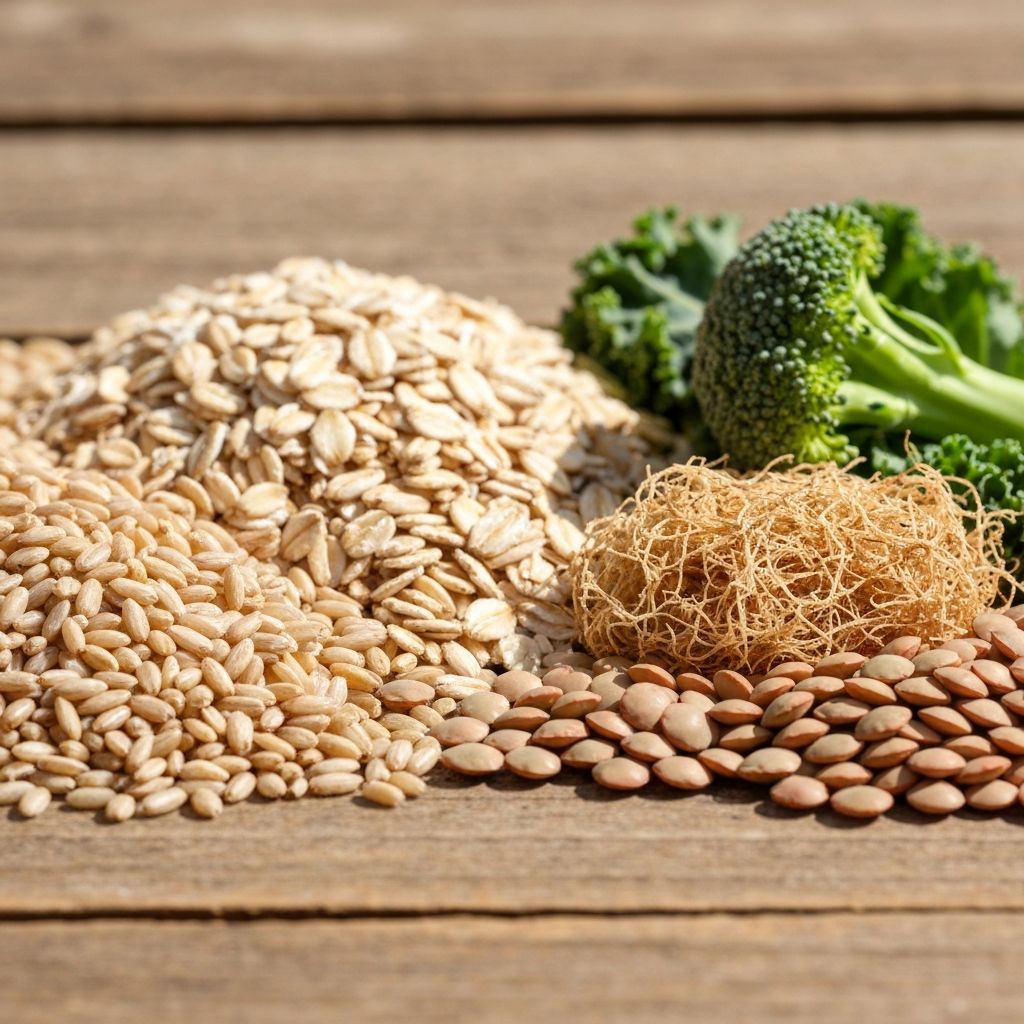
Composition of whole foods showing various minimally processed ingredients

Digestion & Nutrient Release

How Food Structure Matters

The physical and cellular structure of whole foods plays a critical role in determining digestion rates and nutrient bioavailability. The intact cell walls and fibre matrix of minimally processed foods create resistance during mastication and digestion, leading to slower, more gradual nutrient release.

This structural complexity influences how quickly carbohydrates are broken down into glucose, how readily proteins are exposed to digestive enzymes, and how fats are emulsified and absorbed. Research demonstrates that the same food composition can produce markedly different metabolic responses depending on its structural integrity.

Cross-section of vegetables showing internal nutrient structure

Fibre & Fullness Signals

Dietary fibre represents a key distinguishing feature of whole plant-based foods. These non-digestible carbohydrates serve multiple physiological roles beyond simple structural support in meals.

Soluble fibre, found in oats, legumes, and many vegetables, dissolves during digestion and forms a viscous gel that slows gastric emptying. This creates extended satiety signals. Insoluble fibre, present in whole grains and leafy vegetables, adds bulk to the digestive tract and stimulates mechanoreceptors that communicate fullness to the brain.

Population-level data suggests that higher fibre intake correlates with improved appetite regulation, though individual responses vary considerably based on genetic, behavioural, and environmental factors. The satiety effects of fibre are thought to be mediated through multiple neural and hormonal pathways including cholecystokinin (CCK) release, glucose homeostasis stabilisation, and colonic fermentation processes.

Micronutrient Density Patterns

Root Vegetables

Carrots, beetroot, parsnips, turnips - Rich in vitamin A, potassium, manganese, and polyphenols. The pigmented compounds often indicate high antioxidant activity.

Leafy Greens

Spinach, kale, lettuce - Excellent sources of magnesium, iron, calcium, and folate. High polyphenol content and dense micronutrient profiles per calorie.

Whole Grains

Oats, brown rice, barley - Provide B vitamins, magnesium, phosphorus, and selenium. Retain germ and bran containing phytonutrients and fibre.

Grid of various whole foods showing micronutrient-dense sources

Traditional vs Modern Patterns

UK farmer's market displaying diverse seasonal whole produce

Observational Food Consumption Data

Population studies comparing traditional eating patterns with modern consumption reveal consistent differences in food structure and processing level. Cultures maintaining higher intake of minimally processed plant foods show distinct metabolic marker profiles in observational cohort research.

Historical dietary data from pre-industrialised populations indicate significantly higher fibre consumption, lower refined carbohydrate intake, and greater variety of whole plant foods. Contemporary populations consuming predominantly processed foods show markedly different patterns of nutrient intake, particularly regarding micronutrient density and intact food fibre.

These observational associations, while not establishing causation, provide context for understanding how food processing and structure may influence physiological responses at the population level.

Energy Homeostasis Basics

Energy homeostasis describes the body's regulatory mechanisms that balance energy intake with energy expenditure. This process involves complex interactions between the central nervous system, hormonal signalling, and metabolic processes.

The quality and structure of foods consumed influence multiple components of energy homeostasis. Whole foods with intact fibre and nutrient density can influence satiety signalling through several mechanisms: extended mechanical stimulation of the gastrointestinal tract, modulation of hormone release patterns, and effects on postprandial glucose dynamics.

Individual factors including genetics, physical activity level, sleep patterns, stress responses, and previous dietary history all contribute to how energy intake and expenditure are regulated. The relationship between food quality and energy balance is mediated through these multiple, interconnected systems.

Featured Insights

Food matrix structure in vegetables

Food Matrix & Nutrient Release

Explore how the structural organisation of whole foods influences nutrient bioavailability and digestion rates.

Explore this topic →
Fresh leafy greens and whole plant foods

Plant Foods & Digestive Feedback

Understanding how whole plant foods contribute to digestive signals and physiological feedback mechanisms.

Dive deeper →
Diverse whole foods composition

Whole Foods & Metabolic Markers

Examining observational connections between whole food intake and metabolic health indicators.

Find out more →
Whole grains and fibre-rich foods

Dietary Fibre & Physiological Roles

Discover the various types of fibre and their general functions within the digestive and metabolic systems.

Read the full piece →
Variety of nutrient-dense whole foods

Micronutrients from Whole Sources

Exploring how unrefined foods provide diverse micronutrient contributions to daily intake.

See related insights →
Whole foods at different processing levels

Food Quality & Energy Balance

Exploring the relationship between food processing levels and energy regulation mechanisms.

Explore this topic →

Frequently Asked Questions

What defines a "whole food"? â–¼
Whole foods are minimally processed plant or animal foods that retain their natural structure and nutrient composition. Examples include whole grains, legumes, fresh vegetables, fruits, nuts, seeds, and unprocessed animal products. These foods have undergone minimal alteration from their natural state.
How does food structure affect digestion? â–¼
The intact cellular structure of whole foods creates resistance during mastication and movement through the digestive tract. This mechanical and structural complexity slows the rate at which nutrients are released from the food matrix, leading to more gradual absorption and different postprandial metabolic responses compared to processed foods.
What is fibre and why is it important? â–¼
Dietary fibre consists of non-digestible carbohydrates found primarily in plant foods. These compounds influence satiety signalling, gastric emptying rates, and colonic fermentation. Fibre contributes to extended fullness perception and supports healthy digestive function. Both soluble and insoluble fibre types play distinct physiological roles.
What are micronutrients and nutrient density? â–¼
Micronutrients include vitamins and minerals essential for various metabolic and physiological processes. Nutrient density refers to the concentration of these micronutrients relative to the energy (calorie) content of a food. Whole plant foods typically demonstrate higher nutrient density than processed alternatives with added oils, sugars, or refined carbohydrates.
Is this site providing medical advice? â–¼
No. RealFoodRoots provides educational information about whole food nutrition and body weight science. This content does not constitute medical, nutritional, or personalised health advice. Individual health circumstances vary significantly. For personalised guidance regarding nutrition or health concerns, consult appropriate healthcare professionals.
How do population studies on whole foods contribute to our understanding? â–¼
Observational population studies identify patterns and associations between whole food consumption and various health markers. These studies provide valuable context for understanding population-level trends but do not establish causation. Individual responses to dietary changes vary considerably based on numerous genetic, behavioural, and environmental factors.

Continue Exploring Whole Food Nutrition

RealFoodRoots provides evidence-based educational resources about whole foods and their relationship to body weight science. Explore our featured insights to deepen your understanding of these important nutritional concepts.

See all insights